Breakthrough Clinical Results
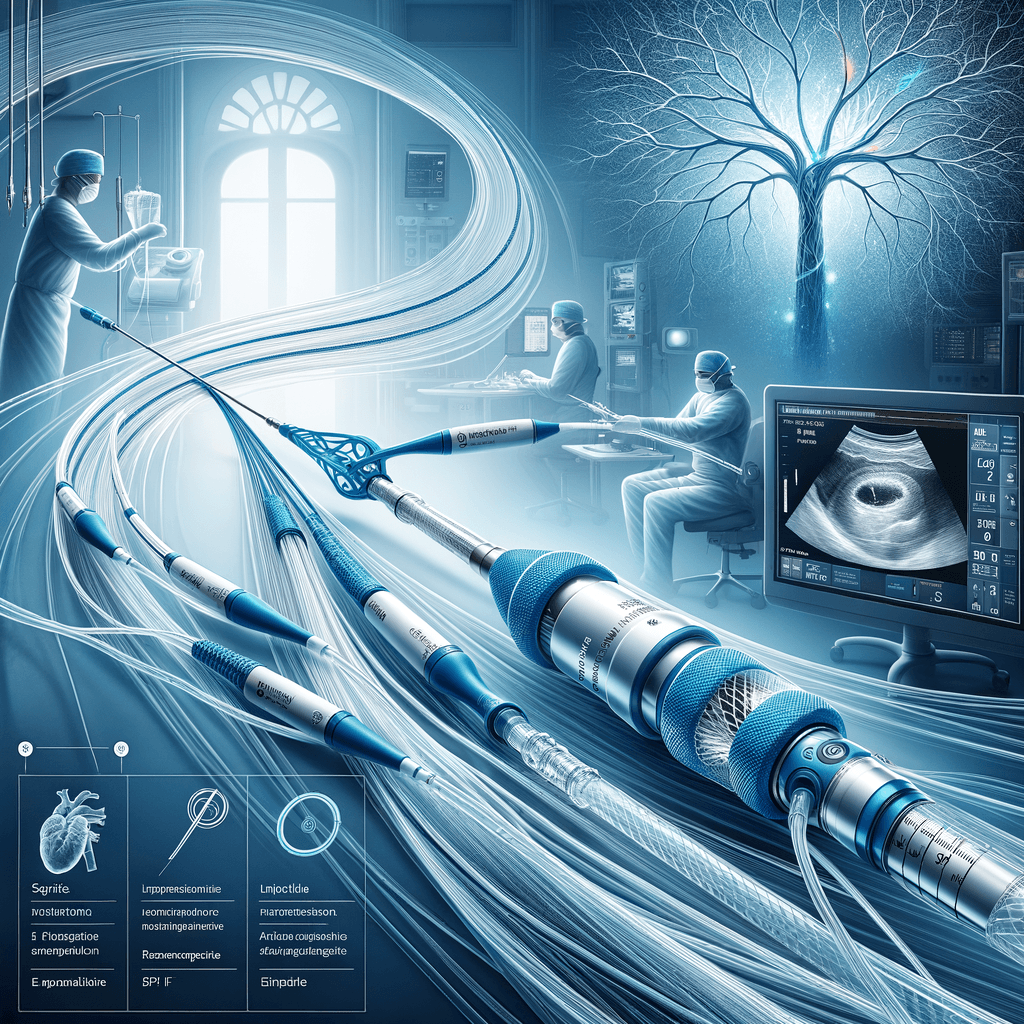
Terumo Neuro announced the US commercial availability of the SOFIA™ 88 Neurovascular Support Catheter. This large-bore catheter is designed for reliability, flexibility, and physician control during stroke procedures. Building on the success of the existing SOFIA™ Catheter line (used in over 500,000 procedures globally), the SOFIA™ 88 features enhanced trackability, proximal stability, and atraumatic design. It's compatible with the SOFIA™ Flow Plus 6F Aspiration Catheter and integrates into existing aspiration strategies. The launch highlights Terumo Neuro's continued investment in neurovascular innovation and commitment to improving stroke care outcomes.
Key Highlights
- US commercial launch of the SOFIA™ 88 Neurovascular Support Catheter
- Improved trackability, proximal stability, and atraumatic design compared to previous models
- Compatibility with existing SOFIA™ Flow Plus 6F Aspiration Catheter
- Builds on a decade of proven clinical performance of the SOFIA™ Catheter line
Incidence and Prevalence
Global Burden of Ischemic Stroke: Recent Estimates and Trends
Ischemic stroke (IS) continues to be a significant global health concern, impacting millions of lives and posing substantial challenges to healthcare systems worldwide. Recent data from various studies, primarily utilizing the Global Burden of Disease (GBD) database, provide updated estimates and highlight important trends in IS incidence and prevalence.
2021 Estimates:
- Incidence: In 2021, the estimated number of incident IS cases globally was approximately 7,804,449 (95% UI, 6,719,760-8,943,692). The age-standardized incidence rate (ASIR) was 92.4 per 100,000 population (95% UI: 79.8-105.8). This represents a substantial increase since 1990 (88%).
- Prevalence: The global prevalence of IS in 2021 was estimated at 69,944,885 cases, with an age-standardized prevalence rate (ASPR) of 819.5 per 100,000 individuals (95% UI: 760.3-878.7).
Trends and Projections:
While the absolute number of IS cases has increased, age-standardized rates for incidence, mortality, and DALYs are generally declining. However, projections indicate a potential reversal of this trend for incidence in the coming years. Specifically:
- Incidence: While declining from 1990 to 2015, the ASIR of IS is projected to increase through 2046. This reversal is likely attributed to factors such as population aging.
- Mortality and DALYs: Despite increasing absolute numbers, age-standardized mortality and DALY rates associated with IS are projected to decrease through 2030.
Regional and Demographic Variations:
The burden of IS varies considerably across regions and demographic groups. Key observations include:
- Socio-demographic Index (SDI): High-middle SDI regions exhibited the highest ASPR, ASIR, age-standardized death rate (ASDR), and age-standardized DALY rates in 2021, while high SDI regions had the lowest rates. Low SDI countries are projected to experience increases in ASDR and age-standardized DALY rates.
- Sex: In 2030, the ASIR of IS is projected to be slightly higher in women than men (90.70 vs. 87.64 per 100,000).
- Age: The incidence of IS is projected to increase across all age groups between 2020 and 2030, with a more pronounced increase among those aged 45 and above by 2035.
- Geographic Location: In 2021, Southern Sub-Saharan Africa had the highest ASPR, while Eastern Europe had the highest ASIR and ASDR. The highest age-standardized DALY rate was observed in North Macedonia.
Risk Factors:
Several risk factors contribute to the global burden of IS, including:
- Metabolic: Hypertension, high low-density lipoprotein cholesterol (LDL-C), high fasting plasma glucose, and kidney dysfunction.
- Environmental: Ambient particulate matter pollution and low temperatures.
- Behavioral: Smoking and a diet high in sodium.
Addressing these risk factors through comprehensive prevention and control strategies is crucial for mitigating the global burden of IS.
Drug used in other indications
The provided text focuses on the use of the SOFIA catheter in ischemic stroke and does not mention trials for other indications. Therefore, based on the provided information, no other indications for the SOFIA 88 Neurovascular Support Catheter are mentioned, nor are any intervention models for other trials described.
However, the text does discuss various techniques and adjunctive therapies used with the SOFIA catheter for ischemic stroke. These include:
- ADAPT (A Direct Aspiration First Pass Technique): This technique uses the SOFIA catheter for direct aspiration of the clot as the primary approach for revascularization. Several studies mentioned its use with the SOFIA catheter, reporting high rates of successful reperfusion and low complication rates.
- Solumbra Technique: This technique combines direct aspiration with a stent retriever. Studies evaluating the SOFIA catheter with this technique also reported high reperfusion rates and acceptable safety profiles.
- Forced Arterial Suction Thrombectomy (FAST): A modification of the Penumbra System, FAST involves wedging the catheter tip against the clot and applying forceful suction. One study reported using a modified Penumbra System technique with the SOFIA catheter, achieving high recanalization rates.
- Combined stent retriever (SR) and aspiration catheter (AC): This technique involves retrieving the thrombus as a single unit with SR and AC into the guide catheter. Studies have shown that this combined approach, including the use of the SOFIA catheter, can increase successful recanalization rates and shorten procedure times.
In addition to these techniques, the text mentions the use of adjunctive therapies like intravenous thrombolysis (IVT) with alteplase or tenecteplase before or in conjunction with mechanical thrombectomy using the SOFIA catheter. Some studies suggest that combining IVT with MT may improve recanalization rates, but the impact on functional outcomes and safety remains unclear.
It's important to note that the SOFIA catheter is just one of many devices used for mechanical thrombectomy in ischemic stroke. The text also mentions other catheters and devices, but the focus is primarily on the SOFIA catheter's performance and safety in this context.
Risk Factors and Comorbidities
Ischemic stroke is a complex condition with a multitude of risk factors and comorbidities. While pinpointing the absolute top three is challenging due to variations across studies and populations, the following consistently emerge as prominent contributors:
-
Hypertension: Across numerous studies, hypertension is identified as a primary risk factor for ischemic stroke. It damages blood vessels, making them more susceptible to atherosclerosis and thrombosis. For example, one study found that elderly patients with hypertension and type 2 diabetes had a significantly increased risk of ischemic stroke. Another study found that hypertension was the most common comorbidity in a community-based sample of stroke survivors (80% prevalence). Yet another study found that among patients with COVID-19, those who developed acute ischemic stroke had a significantly higher proportion of hypertension. Managing blood pressure through lifestyle modifications and medication is crucial for stroke prevention.
-
Diabetes Mellitus: Diabetes, particularly type 2 diabetes, significantly increases the risk of ischemic stroke. Elevated blood sugar levels damage blood vessels and contribute to atherosclerosis. One study found that diabetes mellitus was a significant risk factor for pressure sores in acute ischemic stroke patients. Another study found that elderly patients with hypertension and type 2 diabetes had a significantly increased risk of ischemic stroke. A third study found that diabetes mellitus was a significant risk factor for pressure sores in acute ischemic stroke patients. Managing blood sugar levels through lifestyle modifications and medication is essential for stroke prevention.
-
Atrial Fibrillation (AF): AF, a type of irregular heartbeat, significantly increases the risk of ischemic stroke. The irregular heart rhythm can cause blood clots to form in the heart, which can then travel to the brain and block blood flow. One study found that atrial fibrillation was a significant risk factor for pressure sores in acute ischemic stroke patients. Another study noted that AF is associated with a five-fold increase in risk of stroke, and strokes caused by AF are often fatal or result in severe disability. A third study found that among patients with COVID-19, those who developed acute ischemic stroke had a significantly higher proportion of atrial fibrillation. Managing AF through medication and other interventions is crucial for stroke prevention.
It is important to note that other factors, such as dyslipidemia (high cholesterol), smoking, obesity, and a family history of stroke, also play significant roles in ischemic stroke risk. Furthermore, the relative importance of these risk factors can vary depending on individual patient characteristics, such as age, sex, and ethnicity. A comprehensive approach to stroke prevention involves addressing all modifiable risk factors and managing existing comorbidities.
Contact Us
Address
One Research Ct, Suite 450
Rockville, MD 20850
For General Inquiry
info@pienomial.com