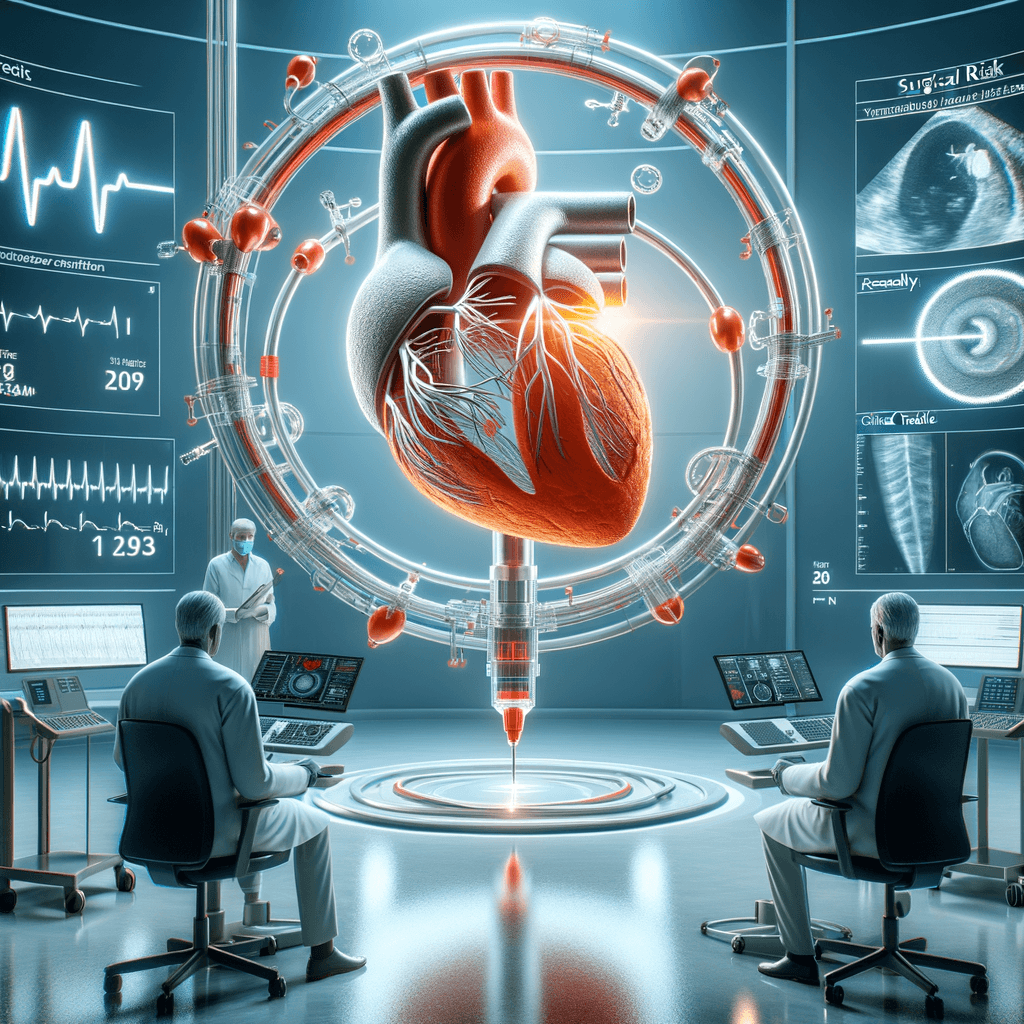
Breakthrough Clinical Results
Phraxis Inc. announced FDA approval of its EndoForce™ Connector for Endovascular Venous Anastomosis, a medical device designed to simplify the creation of arteriovenous grafts (AVGs) for hemodialysis. The device uses a minimally invasive approach, eliminating the need for surgical dissection and promoting precise vessel-to-graft alignment. A pivotal study demonstrated a 92% patency rate at six months. The EndoForce™ Connector is now available to healthcare providers, offering a potentially improved solution for patients with end-stage renal disease (ESRD).
Key Highlights
- FDA approval of EndoForce™ Connector for Endovascular Venous Anastomosis.
- Minimally invasive approach eliminates surgical dissection for AVG creation.
- 92% patency rate at six months in a pivotal study.
- Improved procedural efficiency and reduced complications.
Incidence and Prevalence
Global Estimates of End-stage Renal Disease (ESRD) Incidence and Prevalence
Chronic kidney disease is a rising global epidemic with a worldwide prevalence of 11-13%, which can potentially lead to End-stage renal disease (ESRD).
Regional Data
Puerto Rico (2000-2008)
- The ESRD incidence rate increased by 21.6% from 286.8 to 348.7 per million population (pmp)
- The ESRD prevalence rate increased by 27.3% from 861.2 to 1096.2 pmp
- The average annual growth in ESRD incidence and prevalence was 2.4% and 3.0% respectively
- Puerto Rico is ranked as the fifth country with the highest incidence of patients on dialysis and the first with ESRD due to diabetes mellitus
- Diabetes mellitus was the leading cause of ESRD in Puerto Rico, reaching 67.4% of total new cases in 2008, compared to 44.4% in the U.S.
United States
- Among 1,079,410 ESKD (End-stage kidney disease) patients in the U.S. (2008-2016), the largest cohort were those with obesity (n = 423,270; 39.2%)
- The proportion of U.S. patients with obesity increased significantly from 36.8% in 2008 to 40.2% in 2016
- From 1978 to 1991 in the U.S., the number of adults aged 20-74 years with chronic renal insufficiency increased from 2.6 to 3.9 million, representing an increase in prevalence from 1970 to 2460 per 100,000 persons
Pakistan
- The prevalence of acquired cystic renal disease among ESRD patients on dialysis in Pakistan was 19.9%
Risk Factors and Comorbidities
Risk Factors and Comorbidities for End-Stage Renal Disease (ESRD)
Top Risk Factors for ESRD
-
Diabetes mellitus:
-
Type 2 diabetes mellitus is a leading cause of ESRD
-
The world is experiencing an "epidemic of Type 2 DM" contributing to increased ESRD cases
-
Diabetic nephropathy has increased in absolute numbers and as a proportion of patients with ESRD
-
Diabetes as a cause of ESRD (particularly if insulin-dependent) is associated with increased mortality risk
-
Diabetic nephropathy accounts for a significant percentage of all incident ESRD cases
-
Hypertension/Cardiovascular disease:
-
Hypertensive nephrosclerosis is a significant risk factor
-
Hypertension is identified as the major cause of renal disease presentation at 53.93%
-
In black patients with hypertensive nephrosclerosis, increased proteinuria and reduced GFR are directly associated with adverse clinical renal events
-
Proteinuria:
-
Baseline proteinuria is consistently associated with increased risk for adverse renal outcomes
-
This relationship is evident even at low levels of proteinuria
-
Proteinuria remains a risk factor even when stratified by level of GFR
Top Comorbidities for ESRD
-
Cardiovascular disease:
-
Coronary artery disease and congestive heart failure, each present in 41% of ESRD patients
-
Cardiovascular disease starts early in renal insufficiency and may worsen with renal replacement therapy
-
Accounts for more than 50% of ESRD deaths
-
Cardiovascular mortality in ESRD is particularly high after acute myocardial infarction and in patients with other forms of atherosclerotic vascular disease
-
Left ventricular hypertrophy and dysfunction:
-
Two major determinants are anemia and hypertension
-
Anemia:
-
Very common in ESRD patients
-
A major determinant of left ventricular hypertrophy
Additional Risk Factors
- Hyperuricemia - associated with increased risk of developing ESRD, particularly in women
- Reduced GFR (especially levels <40 ml/min)
- Age - older age is associated with increased mortality risk
- Abnormal laboratory values - elevated serum creatinine, urea nitrogen, and phosphorus
- Low serum albumin - 50% of patients had serum albumin <3.5 gm/dl at onset of ESRD with increased mortality risk
- Malnutrition - undernourished patients had elevated risk (RR = 1.34)
- History of neoplasm
- Active smoking
- Low serum creatinine concentration
- Chronic glomerulonephritis
Drug used in other indications
Based on the provided context, there is no information available about the EndoForce™ Connector device, its clinical trials, or any intervention models being used in such trials. The context materials focus on various aspects of End-Stage Renal Disease (ESRD) treatment including dialysis options, medications, and clinical trial endpoints, but do not contain any references to the specific connector device in question.
The available information covers topics related to ESRD such as: - Epidemiology and treatment modalities - Genetic factors in ESRD development - Valve surgery in ESRD patients - Diabetes as a cause of ESRD - Cardiovascular disease in ESRD patients - Bioengineering approaches for ESRD - Self-management support interventions - TAVR outcomes in ESRD patients - Technology-assisted cognitive-behavioral therapy for ESRD patients
However, none of these materials mention the EndoForce™ Connector device, its applications for ESRD, or any alternative indications for which it might be being trialed.
Contact Us
Address
One Research Ct, Suite 450
Rockville, MD 20850
For General Inquiry
info@pienomial.com