Breakthrough Clinical Results
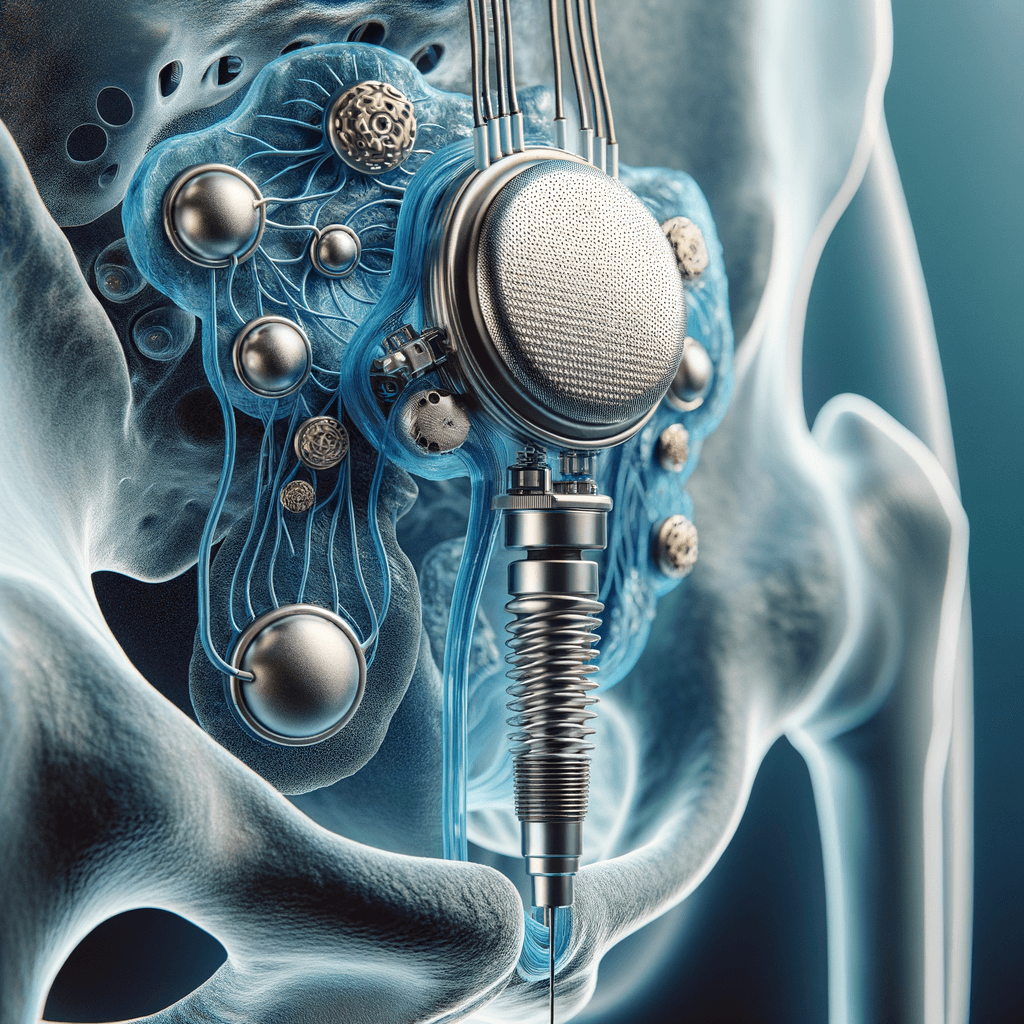
Neuspera Medical announced FDA approval of its integrated sacral neuromodulation (iSNM) system for treating urinary urge incontinence (UUI). This system offers an alternative to traditional SNM, eliminating the need for implanted batteries and associated surgeries. A pivotal Phase II trial showed comparable efficacy to established SNM therapies, with a high percentage of patients experiencing significant symptom reduction and improved quality of life. The iSNM system uses a miniaturized neurostimulator implanted near the sacral nerve and an external disc worn for about two hours daily. This approval marks a significant advancement in UUI treatment, offering a less invasive and more patient-friendly option.
Key Highlights
- FDA approval of Neuspera's integrated sacral neuromodulation (iSNM) system for urinary urge incontinence (UUI).
- Comparable efficacy to traditional SNM therapies, eliminating the need for implanted batteries and associated surgeries.
- High percentage of patients (84.2%) experienced a 50% or greater reduction in urgent leaks in a Phase II clinical trial.
- Improved quality of life for patients with UUI.
Incidence and Prevalence
Global Prevalence of Urgency Urinary Incontinence (UUI):
Pinpointing the exact global prevalence of UUI is challenging due to variations in definitions, study populations, and methodologies across research. Studies often group UUI with overactive bladder (OAB) or other incontinence types, making it difficult to isolate specific UUI data. However, a review of studies from 1991-2013 found the following prevalence ranges:
- European populations: 1.8-30.5%
- US populations: 1.7-36.4%
- Asian populations: 1.5-15.2%
Prevalence is generally dependent on age and gender, increasing with age. For example, daily UI is reported by 9-39% of women over 60. In men, UI is seen in 11-34% of older individuals, with 2-11% reporting daily UI. A 2008 model estimated that 10.7% of the global population was affected by OAB, which includes UUI, and projected this to increase to 546 million individuals by 2018. However, this model uses broader LUTS definitions and may not accurately reflect isolated UUI prevalence.
Incidence of UUI:
Incidence data specifically for UUI is limited. A longitudinal study of women at midlife (GAZEL cohort) found an incidence rate of 3.2% for UUI over an 8-year period. However, this is a specific population and may not be generalizable to the global population. Overall UI incidence has been reported to range from 1% to 9% annually, but this includes all types of UI, not just UUI.
Factors Influencing Prevalence and Incidence:
Several factors can influence the prevalence and incidence of UUI, including:
- Age: Prevalence increases with age.
- Gender: Women are more affected than men.
- Obesity: Increased BMI is a risk factor.
- Comorbidities: Conditions like heart failure are associated with higher incontinence prevalence.
- Lifestyle factors: Smoking and postmenopausal hormone therapy are associated with higher prevalence.
- Pregnancy and childbirth: These are risk factors for UI in women.
- Surgery: Prostate surgery in men and UI surgery in women can influence incidence.
Data Limitations:
It's important to note that UI, including UUI, is often underreported and underdiagnosed due to stigma and lack of awareness. This can lead to underestimations of prevalence in studies. Furthermore, variations in definitions and methodologies across studies make direct comparisons and global estimations difficult. Standardized, validated, and comparable methods are needed for future research to provide more accurate and reliable data on UUI prevalence and incidence.
Unmet Needs and Target Populations in Urgency Urinary Incontinence (UUI)
Based on the provided PubMed publications from the past several years, several key unmet needs and target populations emerge in the context of urgency urinary incontinence (UUI):
1. Improved Diagnostic and Assessment Tools:
- A consistent theme across multiple publications is the need for standardized definitions and diagnostic criteria for UUI. This lack of consensus makes it difficult to compare prevalence rates and treatment outcomes across studies, hindering research progress and potentially leading to misdiagnosis or delayed treatment. A more precise and universally accepted definition of UUI, particularly in relation to overactive bladder (OAB), is crucial for advancing research and clinical practice.
- There is also a need for better tools to assess the severity and impact of UUI on patients' quality of life. While some studies utilize validated questionnaires like the Bristol Female Lower Urinary Tract Symptoms questionnaire or the Sandvik Severity Index, others rely on less standardized measures. Developing and implementing more comprehensive and patient-centered assessment tools will help clinicians better understand the individual burden of UUI and tailor interventions accordingly.
2. More Effective and Targeted Treatments:
- Despite the availability of various treatments for UUI, including lifestyle modifications, pelvic floor muscle training, medications, and surgery, a significant proportion of patients remain symptomatic or experience treatment failure. This highlights the need for more effective and targeted therapies, particularly for those with refractory UUI. Research efforts should focus on developing novel interventions that address the underlying pathophysiological mechanisms of UUI, such as detrusor muscle dysfunction, neural control abnormalities, and bladder environment perturbations.
- Several publications mention the potential of personalized or endotype-based approaches to UUI treatment. This involves identifying specific subgroups of patients based on their underlying causes of incontinence and tailoring interventions accordingly. For example, patients with UUI due to detrusor overactivity may benefit from different treatments than those with UUI related to impaired bladder sensation. Further research is needed to identify and validate these endotypes and develop targeted therapies.
3. Addressing the Psychosocial Burden of UUI:
- Many publications emphasize the significant impact of UUI on patients' quality of life, including physical, psychological, and social well-being. UUI can lead to embarrassment, social isolation, decreased physical activity, and even depression. Addressing the psychosocial burden of UUI is crucial for improving patient outcomes. This may involve providing patients with access to support groups, counseling, and educational resources to help them cope with the emotional and social challenges of living with UI.
- Stigma and underreporting of UUI are also significant barriers to effective management. Many patients are reluctant to seek medical help due to embarrassment or fear of judgment. Increasing public awareness about UUI and reducing stigma are essential for encouraging patients to seek timely diagnosis and treatment.
4. Specific Target Populations:
-
Several publications highlight specific target populations with unmet needs in UUI management. These include:
-
Older adults: UUI prevalence increases with age, and older adults often have multiple comorbidities and functional limitations that complicate management. Research is needed to develop age-appropriate interventions and address the unique challenges of managing UUI in this population.
-
Women: UUI is more common in women than men, particularly after childbirth and menopause. Research should focus on developing gender-specific treatments and addressing the long-term consequences of UUI on women's health and well-being.
-
Racial and ethnic minorities: Some studies suggest that racial and ethnic minorities may experience higher rates of UUI and face disparities in access to care. Research is needed to understand and address these disparities and ensure equitable access to effective UUI management for all populations.
-
Individuals with specific comorbidities: UUI can be associated with other medical conditions, such as diabetes, obesity, and neurological disorders. Research should focus on understanding the complex interplay between UUI and these comorbidities and developing integrated management strategies.
5. Focus on Prevention:
- While most research on UUI focuses on treatment, there is also a need for greater emphasis on prevention. Identifying modifiable risk factors for UUI, such as obesity, smoking, and certain medications, and developing interventions to address these factors could help reduce the incidence of UUI and its associated burden.
In summary, addressing the unmet needs in UUI requires a multi-faceted approach that includes improving diagnostic tools, developing more effective and targeted treatments, addressing the psychosocial burden of UUI, focusing on specific target populations, and emphasizing prevention. By prioritizing these areas, researchers and clinicians can work together to improve the lives of millions of people affected by this common and often debilitating condition.
Drug used in other indications
The provided text focuses on sacral nerve stimulation (SNS) for urinary urge incontinence, and while it mentions other voiding dysfunctions like urgency-frequency and urinary retention, it doesn't detail specific trials for the Neuspera iSNM system beyond UUI.
One study mentions intermittent sacral nerve modulation (iSNM) with the Neuspera system, specifically investigating its efficacy for refractory UUI compared to continuous SNM (cSNM). This trial involved programming the neurostimulator to be "on" for 8 hours and "off" for 16 hours daily over 12 weeks. The results showed that 63% of the 19 participants experienced a >50% improvement in incontinence episodes compared to pre-SNM. There were also significant improvements in bladder diary parameters (incontinence episodes, severity, voiding episodes, voided volume) and quality of life scores (UDI-6, IIQ-7). Importantly, no significant difference was found between iSNM and cSNM, suggesting iSNM as a potentially feasible and cost-effective alternative.
While this study provides information on an intermittent stimulation model with the Neuspera system, it doesn't specify other indications being investigated. The text primarily discusses trials for UUI, with some mentioning broader applications of SNS for other voiding dysfunctions, but without specific trial details for the Neuspera iSNM system beyond UUI and the intermittent stimulation model.
Contact Us
Address
One Research Ct, Suite 450
Rockville, MD 20850
For General Inquiry
info@pienomial.com