| Indication | Oncology |
| Company | Merck |
| Category | Corporate & Strategic |
| Sub Category | Collaboration / Partnership |
| Therapeutic Area | Oncology |
| Collaboration Type | Strategic Research Collaboration |
| Target Modality | Small molecule candidates |
| AI Technology | IsoDDE (proprietary drug design engine) |
| Merck's Responsibilities | Preclinical and clinical development, manufacturing, commercialization |
| Isomorphic Labs' Responsibilities | In silico predictions, molecular designs |
| Financial Terms | Upfront payment, research, development, regulatory, commercial milestones, tiered royalties, co-fund option |
| Announcement Date | November 19, 2026 |
Merck and Isomorphic Labs Form AI Drug Discovery Partnership
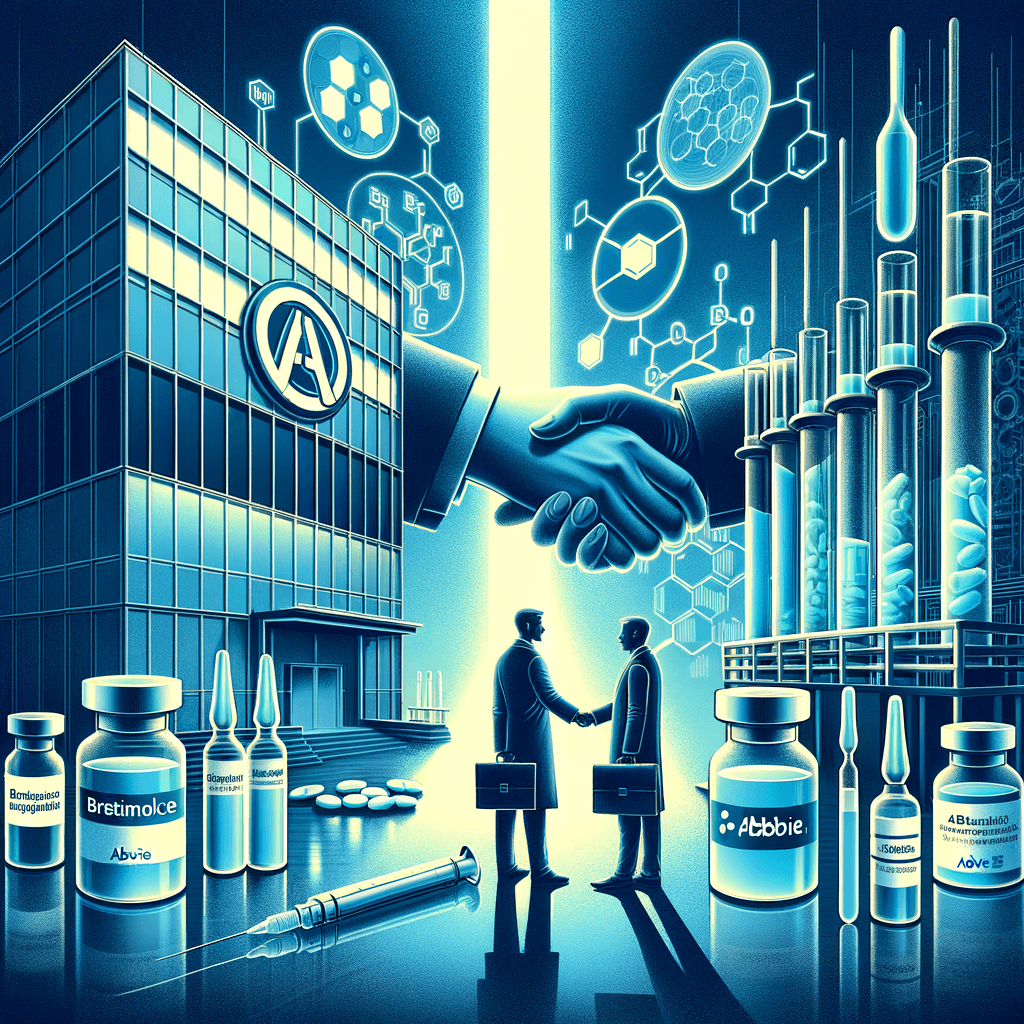
Merck and Isomorphic Labs have announced a strategic research collaboration to discover therapeutic small molecule candidates against an oncology target. The partnership combines Isomorphic Labs’ AI-first drug design approach, utilizing its proprietary drug design engine (IsoDDE), with Merck’s extensive proprietary data resources and deep discovery expertise. Isomorphic Labs will focus on in silico predictions and molecular designs, while Merck will handle preclinical and clinical development, manufacturing, and commercialization of any resulting products. The agreement includes an upfront payment to Isomorphic Labs, along with eligibility for milestone payments across research, development, regulatory, and commercial stages, plus tiered royalties on net sales. Isomorphic Labs also has an option to co-fund development for elevated royalties.
- The collaboration leverages Isomorphic Labs' advanced AI capabilities, specifically its proprietary drug design engine (IsoDDE), to perform in silico predictions and deliver molecular designs. This engine will incorporate select high-quality proprietary data sets provided by Merck, aiming to accelerate the discovery of novel small molecule candidates for a challenging oncology target.
- Financially, the agreement provides Isomorphic Labs with an upfront payment from Merck. Additionally, Isomorphic Labs stands to receive significant payments upon achieving specified research, development, regulatory, and commercial milestones. The deal also includes tiered royalties on net sales of any products derived from the collaboration, alongside an option for Isomorphic Labs to co-fund development activities in exchange for elevated royalty rates.
- This partnership strategically combines Merck's established leadership in biopharmaceutical research, including its substantial internal data capabilities and discovery expertise, with Isomorphic Labs' cutting-edge AI modeling and computational power. The goal is to enhance the efficiency and speed of molecular invention, identifying new ways to design and create better therapeutic candidates faster, ultimately addressing unmet patient needs in oncology.
Merck and Isomorphic Labs Target Novel Oncology Pathways
Recent research in oncology is expanding beyond established targets toward epigenetic regulators, DNA damage response pathways, RAS variants, and next-generation immune checkpoints. These approaches emphasize biomarker-driven strategies including synthetic lethality, precision patient selection, and rational combination regimens.
Epigenetic regulators EZH2, PRMT5, and BET proteins: EZH2 inhibition has achieved the first clinical approval in SMARCB1-deficient epithelioid sarcoma, whereas PRMT5 inhibitors exploit synthetic lethality through MTAP loss, with next-generation selective compounds showing early activity in MTAP-deleted tumors and improved tolerability, and with MTA-cooperative compounds that selectively exploit MTAP deficiency in glioblastoma. BET inhibitors, though biologically promising, currently face challenges of toxicity and limited efficacy as monotherapy but demonstrate potential in combination strategies, particularly in glioblastoma.
DNA damage response targets beyond PARP: Agents targeting ATR, ATM, APE1, DNA-PK, WEE1, CHK1/2, CDC7, PLK4, PKMYT1, Polθ, USP1, PARG, WRN, and ALC1 are under investigation alone or in combination with chemotherapy, immunotherapy, radiotherapy, or other DDR agents. WEE1 inhibitors such as AZD-1775 and ZN-c3 and PKMYT1 inhibitors including the clinical-stage lead RP-6306 exploit dependence created by DDR deficiencies, with PKMYT1 representing a synthetic lethal relationship with CCNE1 amplification and WEE-family kinases creating vulnerability in TP53-deficient cancers.
KRAS beyond G12C toward G12D and pan-RAS strategies: KRAS G12C inhibitors such as sotorasib and adagrasib established proof-of-concept for direct KRAS inhibition, and fulzerasib (GFH925) features a novel lactam-based tetracyclic naphthyridinone scaffold. Development has expanded toward KRAS G12D inhibitors, pan-RAS and RAS(ON) inhibitors, degraders, and biomarker-guided combination approaches with circulating tumor DNA (ctDNA) enabling dynamic monitoring of treatment response, minimal residual disease, and resistance evolution.
Next-generation immune checkpoints and tumor microenvironment modulation: Co-inhibitory pathways including lymphocyte activation gene-3 [LAG-3], T cell immunoglobulin and mucin-domain containing-3 [TIM-3], TIGIT, VISTA, IGSF8, B7/H3, BTLA, CD160, and CD96 and co-stimulatory pathways including ICOS, OX40, GITR, 4-1BB, CD40, and CD27 are under investigation in phase I/II clinical trials. Complementary strategies target immunometabolic pathways (IDO1 and CD73), innate immune sensing (toll-like receptors [TLRs]), cytokine signaling (IL-2), micronutrient immunoregulators (vitamin D), and the gut microbiota, guided by T cell infiltration, tumor mutational burden (TMB), and microbiome composition.
Novel immunotargets for T-cell redirection and cellular therapy: Expansion beyond B-cell maturation antigen (BCMA) to GPRC5D and FcRH5 with multitarget constructs including trispecific antibodies, dual-target CAR T-cell constructs, and allogeneic off-the-shelf cellular therapies. The DLL3-directed bispecific antibody tarlatamab demonstrated activity in relapsed small cell lung cancer, and a fully-human anti-CEACAM5 monoclonal antibody, 1G9, targeting the A3 and B3 domains of CEACAM5 (CD66e) showed activity in neuro-endocrine prostate cancer (NEPC) models.
Overcoming Oncology Treatment Limitations with AI-Driven Discovery
Current oncology treatments remain constrained by resistance, heterogeneity, and implementation complexity. Durable benefit remains limited for many patients because antitumor responses are constrained by multiple biological and clinical barriers. Acquired resistance prevents cancer therapies from achieving stable and complete responses.
Loss of response and acquired resistance to chemotherapy and targeted therapy: Loss of antitumor response during multiple cycles of chemotherapy is associated with a lack of immune activation, and clinical relapse due to acquired resistance to RTK-targeted therapies is common, with tumors bypassing inhibitory effects through loss or gain of function of PTPs. The persister cell pool constitutes a reservoir from which drug-resistant tumours may emerge, underpinned by non-mutational drug resistance mechanisms and dependency on the lipid hydroperoxidase GPX4 for survival.
Immune resistance driven by immunosuppressive tumor microenvironment: Barriers include poor immune priming, immune exclusion, immunosuppressive tumor microenvironments, adaptive resistance, and limited treatment durability. Elevated presence of APOE macrophages in ICB-resistant clear cell renal cell carcinoma indicated shorter prognosis and worse response to ICB, shaping immunosuppressive TME by releasing abundant TGF-β signals and limiting anti-tumor effector T cells activity, while acquired resistance showed a universally immune-inflamed, albeit dysfunctional, TME with heterogeneity of molecular drivers including B2M loss-of-function in non-small cell lung cancer, TGFBR2 in NSCLC, CYLD in head and neck cancer, and RUNX1 in triple-negative breast cancer.
Intratumor heterogeneity, clonal evolution, and tumor diversity: Clonal diversity within the same tumor results in genetic, epigenetic and phenotypic variability in tumor mass, which represents a major obstacle for efficient diagnostics and personalized treatment, with branched trajectory and divergent subclones evolving simultaneously. Tumor heterogeneity and clonal evolution must be considered in decision making, and there is increasing challenge to develop pre-clinical models that can accurately capture the diversity of the tumor ecosystem comprising malignant cells, stroma, immune cells, and dynamic microenvironment containing chemokines, cytokines and growth factors.
Limited response rates, biomarker gaps, and precision medicine implementation: A significant proportion of patients do not respond to immune checkpoint blockers, and development of predictive companion biomarkers constitutes one of the biggest challenges, requiring homogenized sequencing technologies and integrative pipelines for mutational load and neoantigens prediction. Precision Cancer Medicine is challenged by the need to perform widespread molecular screening in certified laboratories with results available within reasonable timeframe, requiring adaptive trial designs, predictive algorithms, and reconsideration of traditional efficacy endpoints.
Toxicity and regimen complexity: Immune checkpoint blockade can induce inflammatory adverse effects, termed immune-related adverse events, which resemble autoimmune disease, and though severe irAEs remain rare, they can be fatal if not diagnosed and treated appropriately. Growing regimen complexity continues to raise challenges related to overlapping toxicity, sequencing, polypharmacy, and multidisciplinary implementation, with increasing emphasis on integrated biomarkers that combine tumor-intrinsic, immune, spatial, and dynamic features.
Frequently Asked Questions
References
- [1] Nguyen TTT, Yi E et al.. Exploiting Synthetic Lethality of PRMT5 for Precision Treatment of MTAP-Deficient Glioblastoma. International journal of translational medicine (Basel, Switzerland). 2025 Sep. 42021873
- [2] Dadfar S, Eivazzadeh Y et al.. Immune checkpoint molecules beyond PD-1 and CTLA-4: emerging targets in autoimmune diseases and cancer immunotherapy. Inflammation research : official journal of the European Histamine Research Society ... [et al.]. 2026 Mar 17. 41842954
- [3] Awadallah C, Zayad A. Emerging T-Cell Engagers and Novel Immunotargets in Multiple Myeloma. Oncology (Williston Park, N.Y.). 2026 May 29. 42329247
- [4] Chabanon RM, Pedrero M et al.. Mutational Landscape and Sensitivity to Immune Checkpoint Blockers. Clinical cancer research : an official journal of the American Association for Cancer Research. 2016 Sep 1. 27390348
- [5] Jiang T, Lin C et al.. Discovery of Fulzerasib (GFH925) for the Treatment of KRAS G12C-Mutated Solid Tumors. Journal of medicinal chemistry. 2025 Aug 14. 40701936
- [6] Hangauer MJ, Viswanathan VS et al.. Drug-tolerant persister cancer cells are vulnerable to GPX4 inhibition. Nature. 2017 Nov 9. 29088702
- [7] de Córdoba Sánchez IH, Ruidiaz MA et al.. Targeting key epigenetic regulators in solid tumors: focus on EZH2, PRMT5, and BET inhibitors. Cancer treatment reviews. 2026 Jun. 42096787
- [8] Extermann M, Crane EJ et al.. Cancer in nonagenarians: profile, treatments and outcomes. Critical reviews in oncology/hematology. 2010 Aug. 20656211
- [9] Zhang L, Feng D et al.. IL-12 augments antitumor responses to cycled chemotherapy. Journal of immunotherapy (Hagerstown, Md. : 1997). 2015 May. 25839439
- [10] Keddar MR, Carrasco Pro S et al.. Pan-cancer analysis in the real-world setting uncovers immunogenomic drivers of acquired resistance post-immunotherapy. Journal for immunotherapy of cancer. 2026 May 19. 42156138
- [11] Kakarla M, ChallaSivaKanaka S et al.. Race as a Contributor to Stromal Modulation of Tumor Progression. Cancers. 2021 May 28. 34071280
- [12] Wang C, Lu X. WEE-family kinases in cancer: synthetic lethal interactions and drug discovery. Trends in pharmacological sciences. 2026 Feb. 41125481
- [13] Torrado C, Gonzalez-Ortiz A et al.. Drugging the DNA damage response in the clinic: going beyond PARP. Expert review of anticancer therapy. 2026 Jan. 41086259
- [14] Dhandapani M, Goldman A. Preclinical Cancer Models and Biomarkers for Drug Development: New Technologies and Emerging Tools. Journal of molecular biomarkers & diagnosis. 2017 Sep. 29285415
- [15] Lecocq Q, Awad RM et al.. Single-Domain Antibody Nuclear Imaging Allows Noninvasive Quantification of LAG-3 Expression by Tumor-Infiltrating Leukocytes and Predicts Response of Immune Checkpoint Blockade. Journal of nuclear medicine : official publication, Society of Nuclear Medicine. 2021 Nov. 33712537
- [16] Sastry SK, Elferink LA. Checks and balances: interplay of RTKs and PTPs in cancer progression. Biochemical pharmacology. 2011 Sep 1. 21704606
- [17] Vaishnavi A, Schubert L et al.. EGFR Mediates Responses to Small-Molecule Drugs Targeting Oncogenic Fusion Kinases. Cancer research. 2017 Jul 1. 28428274
- [18] Restifo NP, Smyth MJ et al.. Acquired resistance to immunotherapy and future challenges. Nature reviews. Cancer. 2016 Feb. 26822578
- [19] Xue X, Chen X et al.. A Possibility of Synthetic Lethality: Wee1 Kinase as a Promising Treating Target for Cancer. Medicinal research reviews. 2026 Nov. 42186170
- [20] Tan AC, Tan DSW. Targeted Therapies for Lung Cancer Patients With Oncogenic Driver Molecular Alterations. Journal of clinical oncology : official journal of the American Society of Clinical Oncology. 2022 Feb 20. 34985916
Contact Us
Address
350 Springfield Avenue,
Suite #200 Summit, NJ 07901
For General Inquiry
info@pienomial.com