| Indication | Cancer |
| Company | Curium |
| Category | Corporate & Strategic |
| Sub Category | Merger Announced |
| Therapeutic Area | Oncology |
| Deal Value | up to $8.0 billion |
| Acquiring Company | Curium US Holdings LLC |
| Target Company | Lantheus Holdings, Inc. |
| Consideration Per Share | $102.50 cash, up to $12.00 CVRs |
| Premium to VWAP | 38% (60-day), 29% (30-day), 21% (closing price) |
| Deal Type | Merger, Acquisition |
| Expected Closing Date | First half of 2027 |
| CVR Milestones | Global Prostate Cancer Diagnostics, Global Neurology Diagnostics, Global DEFINITY® Business |
| Combined Company Global Reach | More than 70 countries |
| Lantheus Financial Advisors | Morgan Stanley & Co. LLC, BofA Securities, Inc., Solomon Partners Securities LLC |
Curium to Acquire Lantheus in $8 Billion Radiopharmaceutical Merger
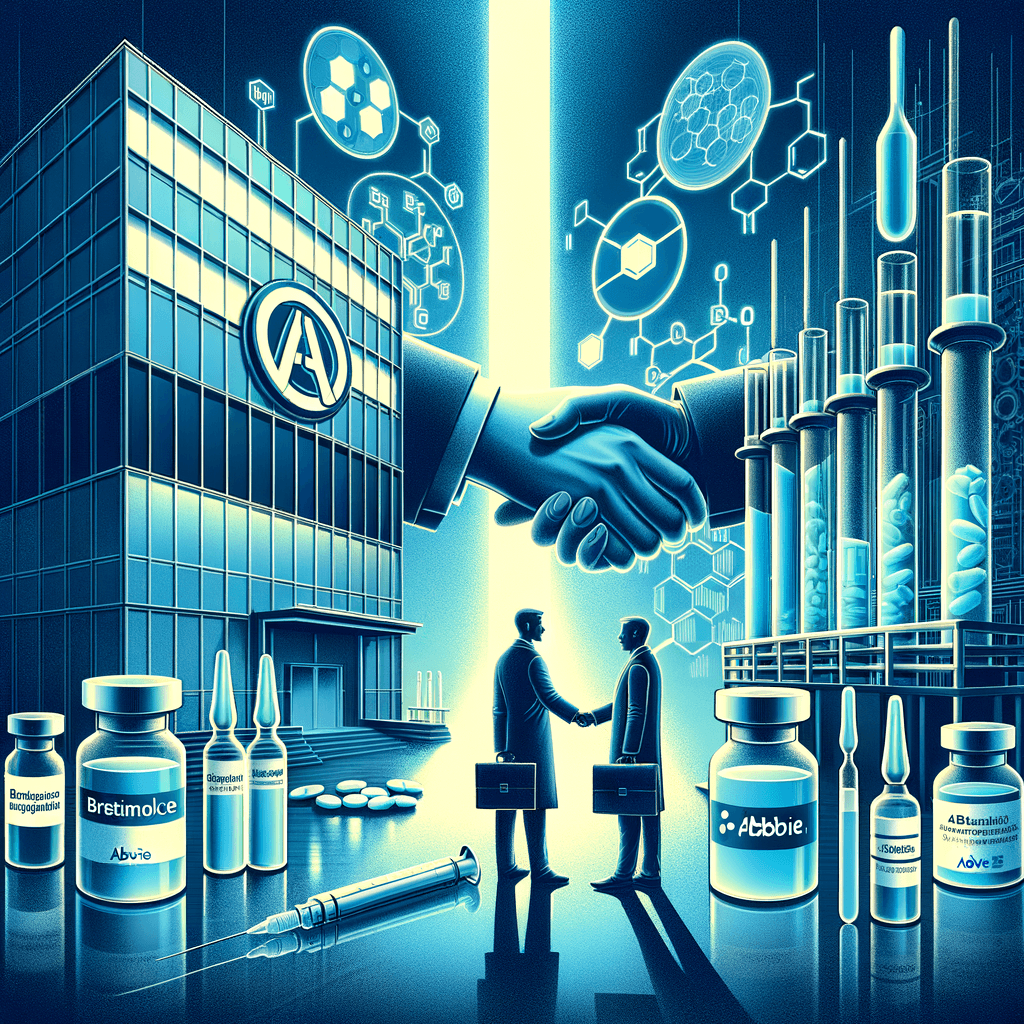
Curium and Lantheus Holdings, Inc. announced a definitive agreement for Curium US to acquire Lantheus. The transaction is valued at up to $8.0 billion, with Lantheus shareholders receiving $102.50 per share in cash at closing, plus non-transferable Contingent Value Rights (CVRs) for up to an additional $12.00 per share. This represents a premium of 38% to Lantheus’ unaffected 60-day volume-weighted average price. The merger aims to create a global radiopharmaceutical company, combining Curium's theranostics portfolio and manufacturing with Lantheus’ U.S. radiodiagnostics business, serving oncology, neurology, and cardiology patients across over 70 countries. The deal is expected to close in the first half of 2027.
- The acquisition offers Lantheus shareholders a total consideration of up to $114.50 per share, comprising $102.50 in upfront cash and up to $12.00 via Contingent Value Rights (CVRs). These CVRs are tied to specific commercial milestones for Lantheus' prostate cancer diagnostics, neurology diagnostics, and DEFINITY® business through 2030, providing potential additional upside.
- The merger is designed to create a comprehensive radiopharmaceutical company, integrating Curium's global theranostics platform and manufacturing capabilities with Lantheus' established U.S. radiodiagnostics business. This combination will expand the combined entity's reach to over 70 countries, enhancing its ability to deliver both diagnostic imaging and targeted radionuclide therapies across oncology, neurology, and cardiology.
- Curium brings expertise in developing and supplying diagnostic and therapeutic radiopharmaceuticals with a robust theranostics pipeline. Lantheus contributes a strong U.S. commercial infrastructure and successful diagnostic products like PYLARIFY for prostate cancer imaging, DEFINITY for cardiac ultrasound, and Neuraceq for beta-amyloid PET imaging, which are key drivers for the CVR milestones.
Expanding the Horizon: Novel Targets in Radiopharmaceutical Oncology
Recent literature highlights a wave of novel molecular targets in oncology, with a distinct focus on radiopharmaceutical and receptor-directed strategies that leverage tumor-specific antigen expression for both diagnostic and therapeutic gain. These emerging targets span solid tumors and hematologic malignancies, spanning cell-surface receptors, enzymatic regulators, and RNA-binding proteins.
PSMA (Prostate-Specific Membrane Antigen) — Established target for [¹⁷⁷Lu]Lu-PSMA-617 (Pluvicto®), FDA-approved for metastatic castration-resistant prostate cancer (mCRPC), representing a mature benchmark for radioligand therapy success.
Somatostatin Receptors — Targeted by [¹⁷⁷Lu]Lu-DOTA-TATE (Lutathera®), FDA-approved for neuroendocrine tumors (NET), further validating peptide receptor radionuclide therapy (PRRT) as a durable therapeutic modality.
CD44v6 — Frequently overexpressed in pancreatic ductal adenocarcinoma (PDAC), now being explored via the radiopharmaceutical [Lu]Lu-AKIR001. In vivo tumor uptake exceeded 100 %IA/g, and tumor growth inhibition was activity-dependent, with complete remissions observed in 40% of animals at 12 MBq and 14% when 4 MBq was combined with paclitaxel — suggesting potential synergy with chemotherapy.
C5aR1 (Complement Component 5a Receptor 1) — Identified through drug-repurposing approaches as a target of citalopram (an SSRI) in hepatocellular carcinoma (HCC). Predominantly expressed on tumor-associated macrophages, its modulation enhances macrophage phagocytosis and elicits CD8⁺ T-cell anti-tumor immunity; C5aR1 deficiency or CD8⁺ T-cell depletion abrogates this effect, supporting SSRI repurposing as an anticancer strategy.
SAG/RBX2/ROC2/RNF7 — A dual E3 ubiquitin ligase subunit (of CRL5 and CRL1) that drives degradation of tumor suppressor substrates. Overexpressed across multiple cancer types with a well-established correlation to poor survival, it is now the subject of small-molecule inhibitor and PROTAC degrader development.
USP7 (Ubiquitin-Specific Protease 7) — A deubiquitinating enzyme that stabilizes oncogenic and immunosuppressive proteins. The orally bioavailable inhibitor OAT-4828 has shown significant antileukemic activity in a syngeneic B-cell non-Hodgkin lymphoma model.
EEF1A1 (Eukaryotic Elongation Factor 1A1) — A translational regulator identified as a therapeutic target in triple-negative breast cancer (TNBC). A Penicillide-derived inhibitor (compound 2), validated via DARTS and CETSA as a direct EEF1A1 binder, suppresses RPL27A and RPLP0 expression, inhibiting tumor cell invasion, migration, and modulating cancer stem cell properties.
PD-L1 (Programmed Cell Death-Ligand 1) — Targeted by novel N-terphenylpicolinamide small-molecule blockers designed to disrupt immune evasion, thereby activating primary immune cells and enhancing cancer cell elimination.
miR-218 — A tumor-suppressive microRNA in lung cancer that regulates proliferation, invasion, metastasis, and apoptosis; its expression is inversely correlated with tumor aggressiveness, positioning it as both a diagnostic biomarker and therapeutic candidate.
Addressing Critical Unmet Needs in Radiopharmaceutical Oncology
Despite significant advancements across various therapeutic modalities, substantial unmet needs persist in oncology. These challenges span from intrinsic biological hurdles like treatment resistance to systemic issues such as global disparities in care, highlighting critical gaps where novel approaches are urgently required for a growing patient population.
Widespread Treatment Resistance: A primary obstacle is treatment resistance, where patients become refractory to or relapse after first-line therapies, including chemotherapy, targeted therapy, and immunotherapy. This leads to decreased treatment efficacy and poor survival, particularly in patients with adenocarcinomas (e.g., breast, prostate, lung), which account for almost 90% of cancer cases.
Difficult-to-Treat Cancers and Patient Populations: Certain patient populations continue to exhibit low 5-year survival rates and poor prognoses. This includes patients with advanced, metastatic, or unresectable malignancies such as gynecological cancers, pancreatic adenocarcinoma, and gastric cancer, as well as cancers like triple-negative breast cancer that lack established molecular targets.
Toxicity and Safety of Current Therapies: The clinical utility of existing treatments is often limited by significant safety and tolerability issues. Major challenges include high toxicity, off-target effects damaging healthy tissues, limited drug penetration into malignant tissues, and non-targeted drug distribution, which compromise treatment plans.
The Role of Cancer Stem Cells (CSCs): Cancer stem cells are a key biological driver of tumor recurrence and therapy resistance. The difficulty in identifying reliable biomarkers and effective targeting strategies for CSCs remains a critical unmet need, limiting the long-term efficacy of many current cancer treatments.
Global Disparities in Cancer Care: Significant disparities in cancer outcomes exist globally, driven by economic and geographic factors. For example, 5-year net survival rates in low-income Commonwealth countries are nearly 15 times lower than in high-income countries, underscoring a critical need for improved access to advanced care like surgery, radiotherapy, and targeted therapies.
Forging a Global Radiopharma Powerhouse
This significant acquisition signals a strategic pivot towards creating a fully integrated powerhouse in the radiopharmaceutical and advanced diagnostic imaging space. By bringing together Curium's therapeutic expertise with Lantheus' established diagnostic portfolio, the new entity is poised to redefine patient care across oncology, neurology, and cardiology. The synergy is particularly evident in the burgeoning field of theranostics, where precise diagnosis directly informs targeted therapy.
Lantheus' PYLARIFY, a leading PSMA-targeted radiodiagnostic for prostate cancer, combined with Curium's therapeutic radionuclides, creates a compelling 'diagnose-and-treat' continuum. This integrated approach holds immense promise for improving outcomes in a disease like prostate cancer, which affects millions globally and presents complex management challenges. Furthermore, Lantheus' ultrasound enhancing agent, Definity, has demonstrated utility in diverse applications, from enhancing echocardiography in critically ill patients to characterizing suspicious breast and ovarian lesions, and even guiding novel therapeutic interventions like high-intensity focused ultrasound (HIFU) for liver trauma and blood-brain barrier disruption in glioblastoma. These diagnostic capabilities can now be strategically aligned with a broader therapeutic pipeline.
However, the path forward is not without its complexities. Integrating disparate technologies and corporate cultures will require meticulous planning and execution. The competitive landscape for PSMA-targeted agents is fierce, demanding continuous innovation and clear differentiation. Moreover, the ongoing need to generate robust clinical evidence for expanding the utility of diagnostic tools like Definity will be crucial for sustained market leadership. Ultimately, this merger represents a bold bet on the future of precision medicine, where the convergence of advanced diagnostics and targeted therapeutics promises to unlock new possibilities for patient benefit.
Frequently Asked Questions
References
- [1] Chen T, Li B et al.. A low-cell-number proteomics method for elucidating the developmental mechanisms of colorectal cancer stem cells. Talanta. 2026 May 1. 41448055
- [2] Al-Thani MBH, Subramanian M et al.. Qatar national cancer care and research: pioneering strategies for global health excellence. The Lancet. Oncology. 2025 Jul. 40516559
- [3] Liu J, Wang K et al.. Crosstalk between ferroptosis and extracellular vesicles in cancer: from interaction to clinical application. Experimental hematology & oncology. 2026 Jan 11. 41521330
- [4] Li D, Shi S et al.. AI accelerate the identification of druggable targets by 3D structures of proteins and compounds. NPJ precision oncology. 2026 Feb 14. 41691035
- [5] Kumar T, Thakur N et al.. Biomimetic Nanoparticles for Targeted and Efficient Cancer Therapy: Progress, Challenges and Perspectives. International journal of nanomedicine. 2026. 41768394
- [6] Fan S, He Y et al.. Integrative multiomics dissection of LSM7 as a prognostic biomarker and therapeutic target in hepatocellular carcinoma. Science progress. 2026 Jan-Mar. 41553301
- [7] Chen H, Shi Y et al.. Integrating multi-omics and artificial intelligence fuels advanced target identification and drug discovery. Biotechnology advances. 2026 Mar-Apr. 41461245
- [8] Deng A, Jia W et al.. Trop2 immunoPET/CT in clinical practice: facts and challenges. Drug discovery today. 2026 May. 42049133
- [9] Li W, Liu T et al.. Traditional Chinese medicine-mediated ferroptosis in cancer therapy: mechanisms, advances, and nanotechnology-driven delivery strategies. Cancer treatment and research communications. 2026. 41795496
- [10] Zubair A, Wdidi S. Innovations in cancer treatment as novel potential and the myth of personalized vaccines, immunotherapy, CRISPR/Cas9, and bacteriotherapy as promising therapeutic strategies. Discover oncology. 2025 Nov 28. 41315111
- [11] Yu J, Chen RY et al.. Identification of EEF1A1 as a therapeutic target in TNBC: Anticancer action of a novel Penicillide-derived inhibitor through ribosomal protein regulation. Bioorganic chemistry. 2026 May. 41666627
- [12] Ou S, Wang S et al.. What determines value? Exploring value characteristics of novel therapies for digestive system cancers. Frontiers in immunology. 2026. 41743719
- [13] Duzgun D, Oltean S. Aberrant Splicing as a Mechanism for Resistance to Cancer Therapies. Cancers. 2025 Apr 21. 40282556
- [14] Eskandar K. Therapeutic breakthroughs in oncology: Enhancing treatment and management. Canadian oncology nursing journal = Revue canadienne de nursing oncologique. 2025. 40873601
- [15] Gustafsson A, Svedberg H et al.. [(177)Lu]Lu-AKIR001 for CD44v6-Positive Pancreatic Cancer: Preclinical Efficacy and Combination Strategies. Journal of nuclear medicine : official publication, Society of Nuclear Medicine. 2026 Jun 4. 42020146
- [16] Chrzanowski J, Nowicka J et al.. Structure-Guided Discovery of OAT-4828 as Potent, Selective, and Orally Bioavailable USP7 Inhibitor with In Vivo Antileukemic Activity. Journal of medicinal chemistry. 2026 May 28. 42090583
- [17] Ward ZJ, Gaba Q et al.. Cancer incidence and survival for 11 cancers in the Commonwealth: a simulation-based modelling study. The Lancet. Oncology. 2024 Sep. 39127064
- [18] Muszak D, Kocik-Krol J et al.. N-terphenylpicolinamide derivatives designed to target PD-L1 increase activation and proliferation of T cells, and their cytotoxic properties toward cancer cells. European journal of medicinal chemistry. 2026 Apr 5. 41691995
- [19] Chatterjee A, Khan R et al.. Harnessing bacterial metabolites for enhanced cancer chemotherapy: unveiling unique therapeutic potentials. Archives of microbiology. 2024 Oct 29. 39472338
- [20] Chen Z, Song Z et al.. Application of Immune Checkpoint Inhibitors in Cancer. MedComm. 2025 Aug. 40787068
Contact Us
Address
One Research Ct, Suite 450
Rockville, MD 20850
For General Inquiry
info@pienomial.com