ABX-002 enters the MAD phase of Phase 1 as a first-in-mechanism oral TRβ-selective agonist for adjunctive MDD — a milestone that confirms early human tolerability but delivers no efficacy signal whatsoever. The SAD completion with a well-tolerated profile is a necessary gate, not a therapeutic validation; it is single-arm Phase 1 data in healthy subjects, the lowest evidence tier, and carries no inferential weight regarding antidepressant activity. No mechanistic precedent — a TRβ-selective agonist in MDD or any psychiatric indication — exists in the available evidence base. Forcing analogies from mechanistically distinct programs would misrepresent the evidentiary foundation, so no resolution precedent is named here; this is an honest gap, not an omission. The HTA environment ABX-002 is entering is demonstrably hostile to novel MDD agents that cannot clear clinically meaningful effect-size thresholds: CDEC rejected aripiprazole (a dopamine/serotonin partial agonist — mechanistically distinct, flagged) despite three Phase 3 RCTs on grounds that MADRS/HAM-D improvements did not consistently exceed MCIDs and patient-reported outcomes were not consistently improved; NICE conditionally listed vortioxetine (a serotonin modulator — mechanistically distinct, flagged) only at the cost of the least expensive reimbursed antidepressant. [1] Neither precedent clears the mechanistic-fit bar for TRβ agonism, but both establish the structural payer dynamic: statistical significance on depression rating scales is insufficient, and novel mechanisms do not command premium pricing without demonstrated superiority. The program is pre-proof-of-concept, with Phase 1b in MDD patients not yet initiated. The sharpest risk is that TRβ agonism in MDD has no validated clinical pathway, no approved comparator class, and no established biomarker linking receptor engagement to antidepressant effect — all of which must be built from scratch before any pivotal design can be credibly constructed.
The entire evidence base is single-arm Phase 1 SAD in healthy subjects, with MAD initiated but unreported. No MDD patient data, no efficacy endpoint, no pharmacodynamic target-engagement signal exists; the antidepressant hypothesis for TRβ agonism remains entirely unvalidated in humans.
| Indication | Major Depressive Disorder |
| Drug | ABX-002 |
| Mechanism of Action | Thyroid receptor beta (TRβ)-selective agonist |
| Company | Autobahn Therapeutics |
| Trial Phase | Phase 1 |
| Category | Clinical Trial Event |
| Sub Category | Trial Initiation / First Patient In (FPI) |
| Therapeutic Area | Neuroscience |
| Study Design | Double-blind, randomized, placebo-controlled, single- and multiple-ascending dose, food effect and bridging pharmacokinetics (PK) study |
| Phase 1 Patient Population | Healthy volunteers |
| Phase 1b Patient Population | Patients diagnosed with MDD with inadequate response to antidepressant |
| Expected Data Reporting | Second half of 2023 |
| Trial Endpoints | Safety, tolerability, PK, and pharmacodynamics |
| Unmet Medical Need | More than 50% of MDD patients experience inadequate response to antidepressant |
| Drug Administration | Oral |
Autobahn Advances ABX-002 into Multi-Ascending Dose Phase 1
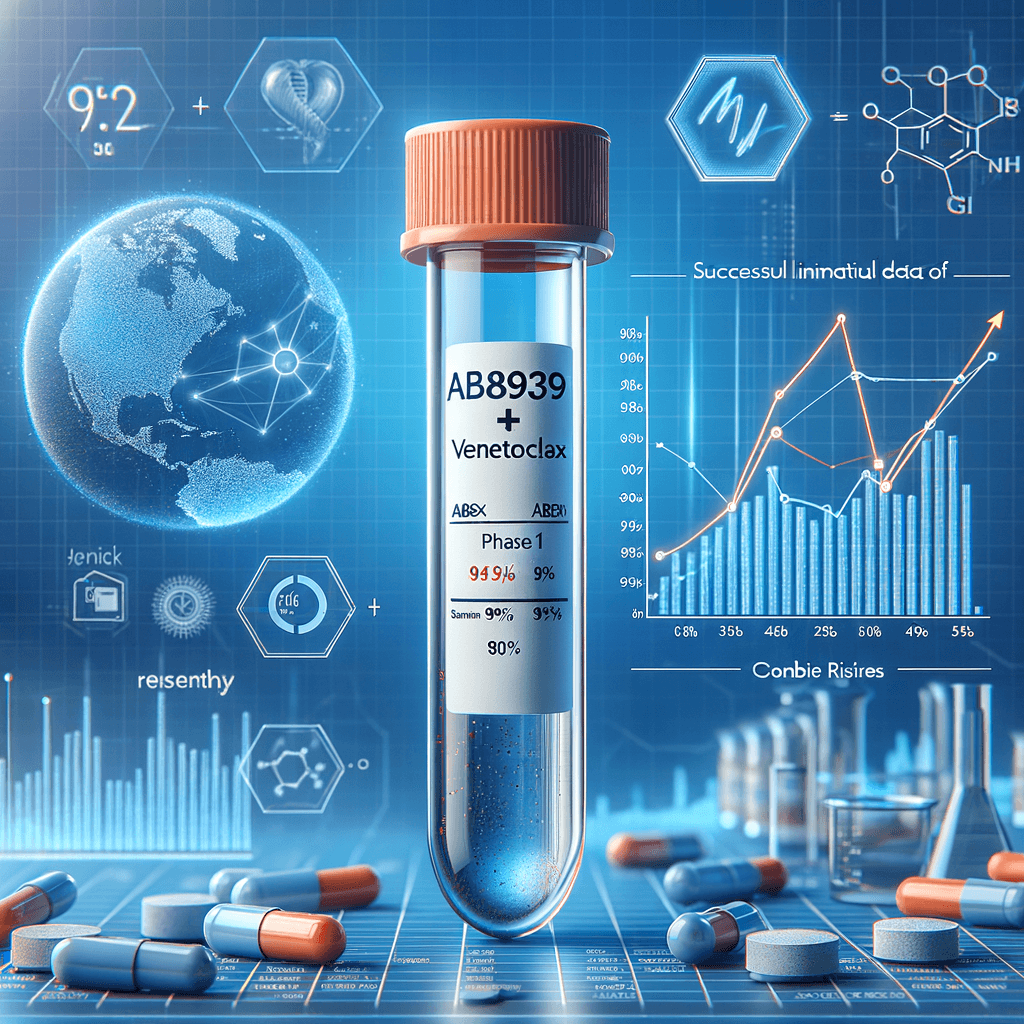
Autobahn Therapeutics announced the initiation of the multiple ascending dose (MAD) portion of its Phase 1 study for ABX-002 in healthy subjects. ABX-002 is an oral, potent, and selective thyroid receptor beta (TRβ)-selective agonist, being developed as an adjunctive treatment for major depressive disorder (MDD). The single ascending dose (SAD) cohorts were successfully completed, demonstrating ABX-002 was well-tolerated. The company anticipates reporting data from both SAD and MAD portions in the second half of 2023, with plans to initiate a Phase 1b assessment in MDD patients thereafter.
- Autobahn Therapeutics has successfully completed the single ascending dose (SAD) cohorts of its Phase 1 study for ABX-002, demonstrating the drug's good tolerability in healthy volunteers. This positive safety profile has enabled the progression to the multiple ascending dose (MAD) portion of the trial, marking a significant step in the clinical development of this potential adjunctive treatment for major depressive disorder.
- ABX-002 is an orally administered, potent, and selective thyroid hormone beta (TRβ) agonist designed to be brain-enhanced. It aims to augment and boost antidepressant treatments by potentiating their beneficial effects on monoaminergic signaling in the brain, addressing the unmet need of over 50% of MDD patients who experience an inadequate response to current antidepressants.
- The company expects to report data from both the SAD and MAD portions of the Phase 1 study in the second half of 2023. Following this, Autobahn plans to initiate an open-label Phase 1b patient cohort within the same study to further explore the safety and activity of ABX-002 in MDD patients who have had an inadequate response to their antidepressant, potentially offering significant benefit to millions.
Addressing the Persistent Challenges in MDD Treatment
Major depressive disorder presents a complex therapeutic landscape where no single treatment approach reliably achieves remission across the patient population. The heterogeneity of the condition, combined with the limitations of available pharmacological and non-pharmacological interventions, continues to drive significant unmet need in both clinical and research settings.
Trial-and-error treatment selection: In a retrospective cohort of 73,601 patients, machine learning-based antidepressant selection among three SSRIs (citalopram, fluoxetine, sertraline) yielded only a small improvement over current practice, with treatment response prediction driven largely by the initial PHQ-9 score (AUC 0.61 as a sole predictor). For most patients, response to these agents is expected to be similar, underscoring the limited basis for individualized SSRI selection under current paradigms.
High rates of treatment resistance and declining remission with successive failures: Approximately 30% of patients treated for MDD develop treatment-resistant depression (TRD). The STAR*D study demonstrated that remission rates decline progressively with each antidepressant failure — 37%, 31%, 14%, and 13%, respectively — highlighting the compounding difficulty of managing patients through multiple treatment lines.
No clear superiority between next-step strategies after initial failure: A retrospective analysis of STAR*D participants (N = 1,292) who failed initial treatment found that neither the likelihood of remission (risk ratio, 1.14; 95% confidence interval, 0.82–1.58) nor response, nor time to remission or response, differed between augmentation and switching strategies. Quality of life outcomes similarly did not differ between the two approaches.
Delayed onset of action with conventional antidepressants: Monoaminergic antidepressants — SSRIs and SNRIs — remain first-line treatments but are limited by delayed onset of action, and many patients remain treatment-resistant. This delay is particularly consequential for acutely depressed or suicidal patients, who often require prolonged inpatient stabilization while awaiting therapeutic effect.
Tolerability and discontinuation as barriers to sustained treatment: Withdrawal rates due to treatment-emergent adverse events vary meaningfully across agents — venlafaxine XR at 14.2%, duloxetine at 8.8%, and vortioxetine at 4.5–7.8% versus placebo at 3.6% — indicating that tolerability profiles materially affect treatment continuity. Sexual dysfunction, weight gain, and discontinuation-emergent symptoms remain clinically relevant concerns across multiple drug classes.
Absence of validated objective biomarkers for treatment response: Treatment selection remains largely guided by trial-and-error, with objective biomarkers capable of predicting and monitoring therapeutic response urgently needed to enable personalized interventions and reduce patient exposure to ineffective treatments. Emerging approaches — including mass spectrometry-based multi-omics platforms and plasma immune markers such as kynurenic acid for ECT response prediction — are investigational and not yet integrated into routine clinical practice.
Frequently Asked Questions
References
- [1] Kennedy SH, Rizvi SJ. Agomelatine in the treatment of major depressive disorder: potential for clinical effectiveness. CNS drugs. 2010 Jun. 20192279
- [2] Dellink A, Belge JB et al.. Kynurenic Acid Offers Added Value in Predicting ECT Outcomes in Depression. Neuropsychobiology. 2026 Jun 18. 42313709
- [3] Evans VD, Arenas A et al.. Psychedelic Therapy: A Primer for Primary Care Clinicians-Ketamine. American journal of therapeutics. 2024 Mar-Apr 01. 38518272
- [4] Thase ME, Brennan B et al.. GH001 Efficacy is Independent of Prior Antidepressant Treatment Failures in Treatment-Resistant Depression: A Post Hoc Analysis of a Phase 2b Randomized Controlled Trial. Psychopharmacology bulletin. 2026 Jun 5. 42267234
- [5] Baldwin DS, Chrones L et al.. The safety and tolerability of vortioxetine: Analysis of data from randomized placebo-controlled trials and open-label extension studies. Journal of psychopharmacology (Oxford, England). 2016 Mar. 26864543
- [6] Bilu Y, El-Hay T et al.. Data driven versus standard practice policies for personalized antidepressant treatment: a retrospective cohort study of electronic health records. BMC psychiatry. 2026 Jan 3. 41485075
- [7] Tran L, Hahn L et al.. Do benzodiazepines reduce the efficacy of transcranial magnetic stimulation?. Australasian psychiatry : bulletin of Royal Australian and New Zealand College of Psychiatrists. 2024 Jun. 38299320
- [8] Gaynes BN, Dusetzina SB et al.. Treating depression after initial treatment failure: directly comparing switch and augmenting strategies in STAR*D. Journal of clinical psychopharmacology. 2012 Feb. 22198447
- [9] Shin C, Kim YK. Ketamine in Major Depressive Disorder: Mechanisms and Future Perspectives. Psychiatry investigation. 2020 Mar. 32209965
- [10] Baldwin DS, Reines EH et al.. Escitalopram therapy for major depression and anxiety disorders. The Annals of pharmacotherapy. 2007 Oct. 17848424
- [11] Derakhshanian S, Zhou M et al.. Role of Ketamine in the Treatment of Psychiatric Disorders. Health psychology research. 2021. 35106397
- [12] Romani SAS, Silva MLD et al.. Mass spectrometry approaches for monitoring therapeutic response in major depressive disorder. Bioanalysis. 2025 Dec. 41472447
Contact Us
Address
One Research Ct, Suite 450
Rockville, MD 20850
For General Inquiry
info@pienomial.com